Online Yoga Class vs Offline Class: Pros, Cons & Time-Saving Benefits
In recent years, the way people learn and practice wellness has undergone a remarkable transformation. Yoga and meditation, once primarily taught in physical studios and community halls, are now widely available online. With the rise of digital platforms, an online yoga class or online meditation class is only a click away.
For busy professionals, parents, and individuals seeking balance in their lives, this shift has opened new possibilities. Yet, like any innovation, online learning has both advantages and limitations. Understanding the pros and cons of online yoga and meditation classes can help you choose what works best for your lifestyle.
Let us explore both sides.
The Pros of Online Yoga & Meditation Classes
Saves Time and Eliminates Travel
One of the biggest advantages of an online yoga class is the time saved by not traveling to a physical studio.
Consider the typical routine of attending an offline class. You need to prepare, commute through traffic, find parking, and return home afterward. For many people in busy cities, this could easily consume one to two hours apart from the actual class.
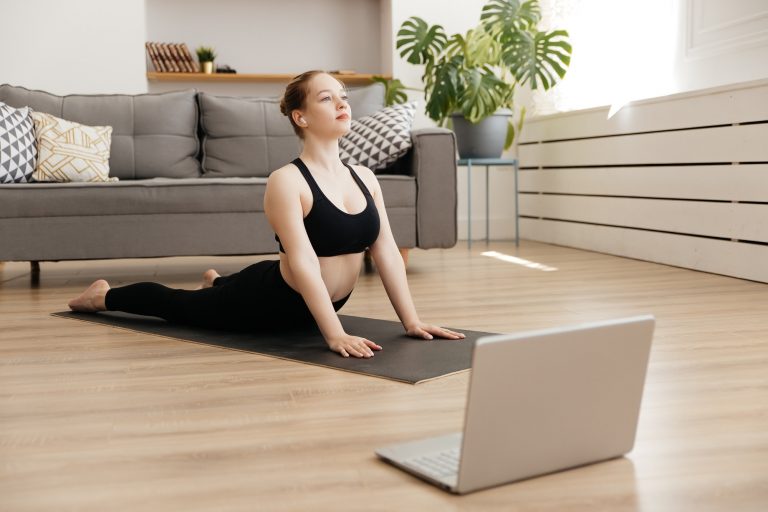
With an online meditation class or yoga session, you simply roll out your mat at home and begin. The time saved can be used for relaxation, family time, or even deeper practice.
For working professionals managing demanding schedules, this convenience often makes the difference between practicing regularly and skipping sessions altogether.
Comfort of Practicing at Home
Practicing yoga or meditation in your own home provides a unique sense of comfort and privacy.
Some beginners feel hesitant joining a studio where experienced practitioners are present. An online yoga class allows you to practice at your own pace without feeling self-conscious.
Similarly, an online meditation class conducted from the comfort of your home can create a relaxed environment where you feel safe to explore stillness and introspection.
Your home becomes your personal sanctuary for wellness.
Flexibility in Scheduling
Online learning offers unmatched flexibility.
Many online platforms provide both live classes and recorded sessions. If you miss a session due to work commitments, you can simply access the recording later.
This flexibility is particularly valuable for people working in shifts, frequent travelers, or those balancing family responsibilities.
Instead of adjusting your life around a fixed class schedule, an online yoga class allows the practice to fit naturally into your day.
Access to Global Teachers
Another remarkable advantage of online learning is access to teachers from across the world.
Earlier, your choices were limited to instructors available in your city. Today, an online meditation class might be conducted by a teacher in another country, offering unique techniques and perspectives.
Students can explore different traditions of yoga and meditation without geographical limitations.
This diversity enriches the learning experience.
Cost Effectiveness
Online classes are often more affordable than studio-based programs.
Without the overhead costs of maintaining a physical space, many instructors can offer high-quality teaching at lower prices. This makes an online yoga class accessible to a wider audience.
Additionally, there are savings from reduced travel expenses, fuel costs, and parking fees.
Photo by Atlantic Ambience httpswww.pexels.com photoaerial-photo-of-vehicles-in-the-city-1031698
Over time, the financial benefits become significant.
The Cons of Online Yoga & Meditation Classes
Limited Personal Correction
One challenge of online learning is the reduced ability of instructors to physically correct postures.
In a traditional studio, a teacher can observe your alignment and gently guide you to adjust your position. This hands-on guidance is particularly useful for beginners.
During an online yoga class, instructors rely mainly on verbal cues and visual observation through the screen, which may limit detailed correction.
However, experienced teachers can still provide effective guidance through clear instruction.
Potential for Distractions at Home
While home offers comfort, it can also present distractions.
Phone notifications, family members, household chores, or background noise may interrupt your focus during an online meditation class.
Maintaining discipline and creating a quiet practice space becomes important for an effective session.
Requires Self-Motivation
When attending a physical class, the environment itself motivates you to stay engaged.
At home, however, maintaining consistency requires greater self-discipline. Without a teacher physically present, some students may find it easier to skip sessions.
Developing a routine and setting a fixed practice time can help overcome this challenge.
Technology Dependence
Online learning depends on reliable internet connectivity and suitable devices.
Technical issues such as poor video quality, unstable connections, or audio disruptions can occasionally interrupt an online yoga class.
Although these challenges are becoming less common as technology improves, they remain a factor to consider.
Finding the Right Balance
While both formats have their strengths, many practitioners today adopt a hybrid approach.
They may attend occasional studio sessions for deeper guidance while maintaining regular practice through an online yoga class at home.
Similarly, an online meditation class can become a daily anchor for mental clarity and emotional balance.
The key is to choose the format that supports consistency, because the benefits of yoga and meditation arise from regular practice.
Why Online Meditation Classes Are Becoming Popular
The digital transformation of wellness is not just a temporary trend. Online learning has made yoga and meditation more accessible than ever before.
For millions of people who previously struggled to find time for self-care, the ability to join an online yoga class or online meditation class from home has been a game changer.
The time saved from commuting, the flexibility of schedules, and the comfort of practicing in a familiar environment make online classes a powerful option for modern lifestyles.
Ultimately, whether you practice online or offline, the true purpose of yoga and meditation remains the same — cultivating balance, stillness, awareness, and inner peace.
Frequently Asked Questions
1. Are online yoga classes suitable for beginners?
Yes. Many online yoga classes are designed specifically for beginners with simple instructions and guided demonstrations.
2. What do I need to join an online meditation class?
All you need is a quiet space, a stable internet connection, and a comfortable place to sit.
3. Is practicing yoga at home as effective as a studio class?
Yes. With proper guidance and consistency, practicing yoga at home through an online yoga class can be equally effective.