Posts In: stress

What is the hyperlink to stress?

Hypertension is one of the most distressing conditions that is prevalent in India. A working professional today lives inside a web of deadlines, targets and expectations. Moreover, commuting between office and home in distressing traffic snarls and digital overload with constant comparison, he/she juggles the various tasks.

stressed individual

Photo by Liza Summer: https://www.pexels.com/photo/worried-young-woman-covering-face-with-hand-6382634/

In fact, this web is not just psychological—it is physiological. Therefore, the “hyperlink” between stress and hypertension is the hormone cortisol, which acts like a hidden code connecting the mind’s pressure to the body’s blood pressure.

The Stress–Hypertension Connection

Stress triggers the fight‑or‑flight response, releasing cortisol and adrenaline. These hormones:

  • Increase heart rate
  • Constrict blood vessels
  • Elevate blood pressure temporarily

When this becomes chronic—daily deadlines, unrealistic targets, long commutes, late‑night emails—the temporary spikes become a baseline elevation, contributing to sustained hypertension. In fact hypertension is the most prevalent condition that is the result of this cause.

Studies show that chronic stress alters the autonomic nervous system, keeping the body in a semi‑permanent “alert” mode. Over time, this leads to vascular inflammation, endothelial dysfunction, and higher resting blood pressure. Remember the classical goal in a football match, that happens after various skillful moves by defenders? The moment when the goal is scored, everyone in the goal assist process is in an increased adrenaline flow, but it is only because it is the culmination of the act of goal scoring. But it cannot become the norm while dribbling!

goal!

Photo by Stanley Morales: https://www.pexels.com/photo/men-playing-football-3148452/

How Modern Work Culture Fuels Cortisol

Working professionals today face a unique cluster of stressors:

  • Deadlines and time pressure — cortisol rises sharply when tasks feel unmanageable.
  • Unrealistic targets vs. achievement — the gap between expectation and reality creates chronic anticipatory stress similar to the expectation of a goal every other moment!
  • Long commute times — studies show that each additional 20 minutes of commute increases stress biomarkers.
  • Overthinking and anxiety — rumination keeps cortisol elevated even after work hours.
  • Digital overload — constant notifications prevent the nervous system from returning to baseline.
  • Poor sleep — cortisol remains high when sleep is fragmented or insufficient.

This chronic cortisol load interacts with the modifiable causes of hypertension, creating a dangerous loop.

Modifiable Causes: How Stress Amplifies Each One

Stress rarely acts alone. It pushes people toward habits that directly raise blood pressure:

  • High-salt diet — stress eating increases cravings for salty, processed foods.
  • Low fruit/vegetable intake — convenience replaces nutrition during busy workdays.
  • Physical inactivity — long sitting hours and exhaustion reduce movement.
  • Overweight/obesity — cortisol promotes abdominal fat accumulation.
  • Alcohol consumption — used as a coping mechanism for stress relief.
  • Tobacco use — nicotine temporarily calms but chronically elevates BP.
  • High stress — the central amplifier of all risk factors.
  • Poor sleep quality — cortisol disrupts sleep; poor sleep increases cortisol.

Stress is not just one factor—it is the force multiplier that worsens every other modifiable cause.

What Research Says About Stress and Hypertension

Several studies highlight this link:

  • Mayo Clinic notes that stress causes temporary BP spikes and indirectly contributes to long‑term hypertension through unhealthy coping behaviors. mayoclinic.org
  • American Heart Association emphasizes that stress hormones constrict blood vessels and increase heart rate, raising BP temporarily but repeatedly. heart.org
  • Cleveland Clinic reports that chronic stress leads to poor sleep, inactivity, and unhealthy food choices—all strong contributors to hypertension. health.clevelandclinic.org

While stress alone may not always cause sustained hypertension, stress-driven behaviors and physiological changes absolutely do.

Global and Indian Hypertension Snapshot

  • Globally, 1.4 billion adults have hypertension.
  • In India, 22–24% of adults are hypertensive, with rising numbers among working-age populations.
  • Nearly half of hypertensive individuals are unaware of their condition.
  • Control rates remain low worldwide, especially in low- and middle-income countries.

These numbers reflect not just lifestyle but the stress architecture of modern living.

traffic snarls

Photo by el jusuf: https://www.pexels.com/photo/motorcycles-and-cars-on-a-busy-street-20530624/

What Drug Trials Reveal

Hypertension drug trials consistently show that:

  • ACE inhibitors, ARBs, calcium channel blockers, and diuretics effectively reduce BP.
  • However, patients with high stress levels show slower BP normalization, even with medication.
  • Trials also show that mind–body interventions (yoga, meditation, breathing practices) improve drug effectiveness by reducing sympathetic overactivity.

A 2021 study on stress interventions in hypertensive women showed significant BP reduction when stress management was combined with medication. mayoclinic.org

This reinforces a key truth:
Medication controls numbers while modification of lifestyle changes the cause of stress.

Why Stress Management Must Be Central

Hypertension is not just a cardiovascular issue—it is a lifestyle and nervous system issue that results in:

  • Blood vessels stay constricted
  • Heart rate stays elevated
  • Sleep becomes shallow
  • Appetite becomes dysregulated
  • Emotional resilience drops

This is why yoga, meditation, breathwork, and mindful living are not “alternatives”—they are core therapeutic strategies.

“What is the hyperlink to stress?”
The hyperlink is cortisol.
The hyperlink is lifestyle.
The hyperlink is the invisible thread connecting the mind’s pressure to the body’s pressure.

Stress is not just an emotion or reaction to a stress causer, but is a physiological event with measurable cardiovascular consequences. Since it is modifiable, it is also a doorway to healing.
 

The Power of Yoga for Stress Management

In today’s fast-paced world, stress has become an all-too-familiar companion for many of us. Whether it’s due to work pressures, personal challenges, or the constant bombardment of information from our digital devices, stress can have a profound effect on our mental, emotional, and physical well-being. One of the most effective and ancient remedies for management of stress is yoga—a holistic practice that not only enhances physical health but also promotes mental and emotional balance. In this blog, we’ll explore the powerful benefits of yoga for stress management, how it works, and practical ways to incorporate it into your daily life.

Understanding Stress and Its Impact

Stress is a natural reaction to external demands or challenges, triggering the body’s fight-or-flight response. While short-term stress can help in coping with immediate threats, chronic stress can lead to a range of health issues, including anxiety, depression, high blood pressure, insomnia, digestive problems, and a weakened immune system. The mind and body are intricately connected, and when one is out of balance, the other follows suit. This is where yoga comes in, as it addresses both the mind and the body through a combination of physical postures, breathing techniques, and mindfulness practices.

How Yoga Helps in Stress Management

Yoga is a comprehensive practice that involves more than just stretching or performing poses (asanas). It integrates breath control (pranayama), meditation, and relaxation techniques, making it a powerful tool for managing stress on multiple levels. Here’s how yoga helps:

1. Promotes Relaxation through Breathing

One of the fundamental components of yoga is pranayama, or controlled breathing. Stress often causes shallow, rapid breathing, which exacerbates feelings of anxiety and tension. Yoga teaches deep, rhythmic breathing, which activates the parasympathetic nervous system—the body’s relaxation response. This reduces heart rate, lowers blood pressure, and calms the mind. Practices like **Nadi Shodhana** (alternate nostril breathing) or **Ujjayi** (ocean breath) are specifically designed to soothe the nervous system, helping to reduce the impact of stress.

2. Improves Mind-Body Connection

Yoga emphasizes the importance of being present and aware of the body and breath, fostering a deep connection between mind and body. This mindfulness helps individuals recognize when they are stressed and respond to it consciously rather than reactively. Poses like **Child’s Pose** (Balasana) and **Corpse Pose** (Savasana) encourage introspection and self-awareness, offering a mental “reset” during stressful times.

3. Reduces Cortisol Levels

Chronic stress leads to elevated levels of cortisol, the body’s primary stress hormone. High levels of cortisol are linked to anxiety, depression, weight gain, and other health issues. Studies have shown that regular yoga practice significantly reduces cortisol levels, helping to alleviate stress and prevent its negative effects on the body. Even a short yoga session can have a positive impact on lowering cortisol levels.

4. Encourages Physical Release of Tension

– Stress often manifests physically in the form of tight muscles, headaches, or tension in areas like the neck, shoulders, and back. Yoga’s gentle stretching and strengthening exercises help release this stored tension, promoting flexibility and improving circulation. Poses like **Downward-Facing Dog** (Adho Mukha Svanasana), **Cat-Cow Pose** (Marjaryasana-Bitilasana), and **Standing Forward Bend** (Uttanasana) are particularly effective at releasing tight muscles and restoring a sense of physical ease.

5. Enhances Mental Clarity and Focus

Yoga’s focus on mindfulness and breath control improves concentration and mental clarity, reducing the scatterbrained feeling often associated with stress. Meditation practices incorporated into yoga, such as **Mindful Breathing** or **Loving-Kindness Meditation**, help to quiet the mind and foster a sense of peace. Regular practice can rewire the brain, promoting resilience to stress and improving overall cognitive function.

6. Improves Sleep Quality

Stress often disrupts sleep, leading to insomnia or poor sleep quality, which in turn exacerbates stress. Yoga, particularly relaxing styles like **Restorative Yoga** or **Yoga Nidra** (yogic sleep), can help improve sleep by calming the nervous system, promoting relaxation, and reducing racing thoughts. This creates a positive cycle, as better sleep further enhances the body’s ability to cope with stress.

Yoga Poses and Practices for Stress Relief

If you’re new to yoga or looking for specific techniques to manage stress, here are a few poses and practices that are particularly beneficial:

1. Child’s Pose (Balasana)

Young mixed race woman practicing yoga balasana pose at home following online classes. Copy space.

– This simple yet effective pose helps relieve tension in the back, shoulders, and neck while promoting relaxation. It encourages introspection and calms the mind.
– How to do it: Kneel on the floor, bring your big toes together, and sit back on your heels. Extend your arms forward and lower your forehead to the floor. Breathe deeply and hold for a few minutes.

2. Legs-Up-the-Wall (Viparita Karani)

– A restorative pose that gently stretches the hamstrings, lowers heart rate, and calms the nervous system. It’s perfect for relaxation and promoting better sleep.
– **How to do it**: Lie on your back with your legs extended up against a wall, forming an L-shape. Place your arms by your sides, close your eyes, and focus on your breath for 5-10 minutes.

3. Corpse Pose (Savasana)

– Often practiced at the end of a yoga session, this pose promotes full-body relaxation and mental stillness. It’s excellent for letting go of tension and integrating the benefits of the practice.
– **How to do it**: Lie flat on your back with your legs slightly apart and arms resting by your sides. Close your eyes, breathe deeply, and consciously relax each part of your body.

4. Alternate Nostril Breathing (Nadi Shodhana)

– This pranayama technique balances the nervous system, reduces anxiety, and promotes mental clarity. It’s a great tool for managing stress in the moment.
– **How to do it**: Sit in a comfortable position. Close your right nostril with your thumb and inhale through your left nostril. Then close your left nostril with your ring finger and exhale through your right nostril. Repeat on the other side.

5. Seated Forward Bend (Paschimottanasana)

Seated forward bend


– This pose stretches the spine, hamstrings, and lower back, releasing physical tension while calming the mind. It promotes introspection and reduces anxiety.
– **How to do it**: Sit with your legs extended in front of you. Inhale, lengthen your spine, and as you exhale, reach forward to hold your feet or shins. Hold for several breaths.

Incorporating Yoga into Your Daily Routine

For stress management, consistency is key. You don’t need to spend hours on the mat to reap the benefits—just 10 to 20 minutes a day can make a significant difference. Here are a few tips for incorporating yoga into your daily life:

– **Start Small**: Begin with a short practice of simple poses and breathing exercises. As you become more comfortable, you can gradually extend your sessions.
– **Create a Calm Space**: Designate a quiet, clutter-free space in your home where you can practice yoga without distractions.
– **Practice Mindful Breathing**: Even if you can’t do a full yoga session, take a few minutes to practice deep breathing or pranayama when you feel stressed.
– **Join a Class or Use Apps**: Consider joining a local yoga class or using online resources and apps that offer guided yoga sessions designed for stress relief.
– **Combine with Meditation**: End your practice with a few minutes of meditation to deepen the sense of calm and relaxation.

Conclusion

The power of yoga for stress management is undeniable. By incorporating yoga into your daily routine, you can cultivate a greater sense of peace, improve your physical health, and develop resilience against life’s challenges. Whether you’re a beginner or an experienced practitioner, yoga offers a sanctuary where you can reconnect with your breath, body, and mind—helping you navigate stress with grace and ease.

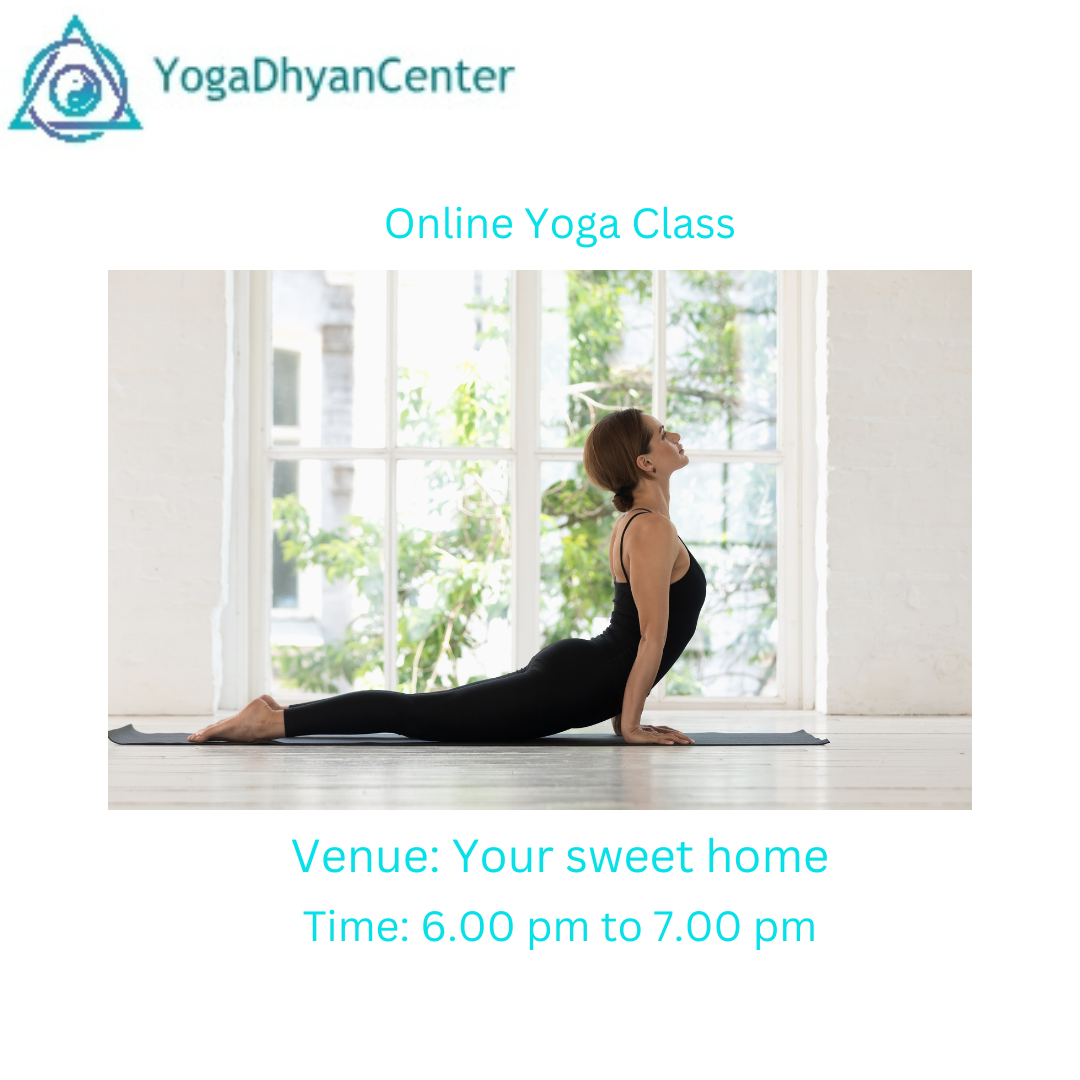
If you want to enroll for our Yoga or Meditation Class online,

Register for the free webinar by clicking here.  REGISTER


Newsletter

Yoga Dhyan Updates & News Weekly

Yoga Dhyan Center
Sign up to be in the know.