Posts In: flexibility

Your Wings: The Courage to Begin Before You Feel Ready
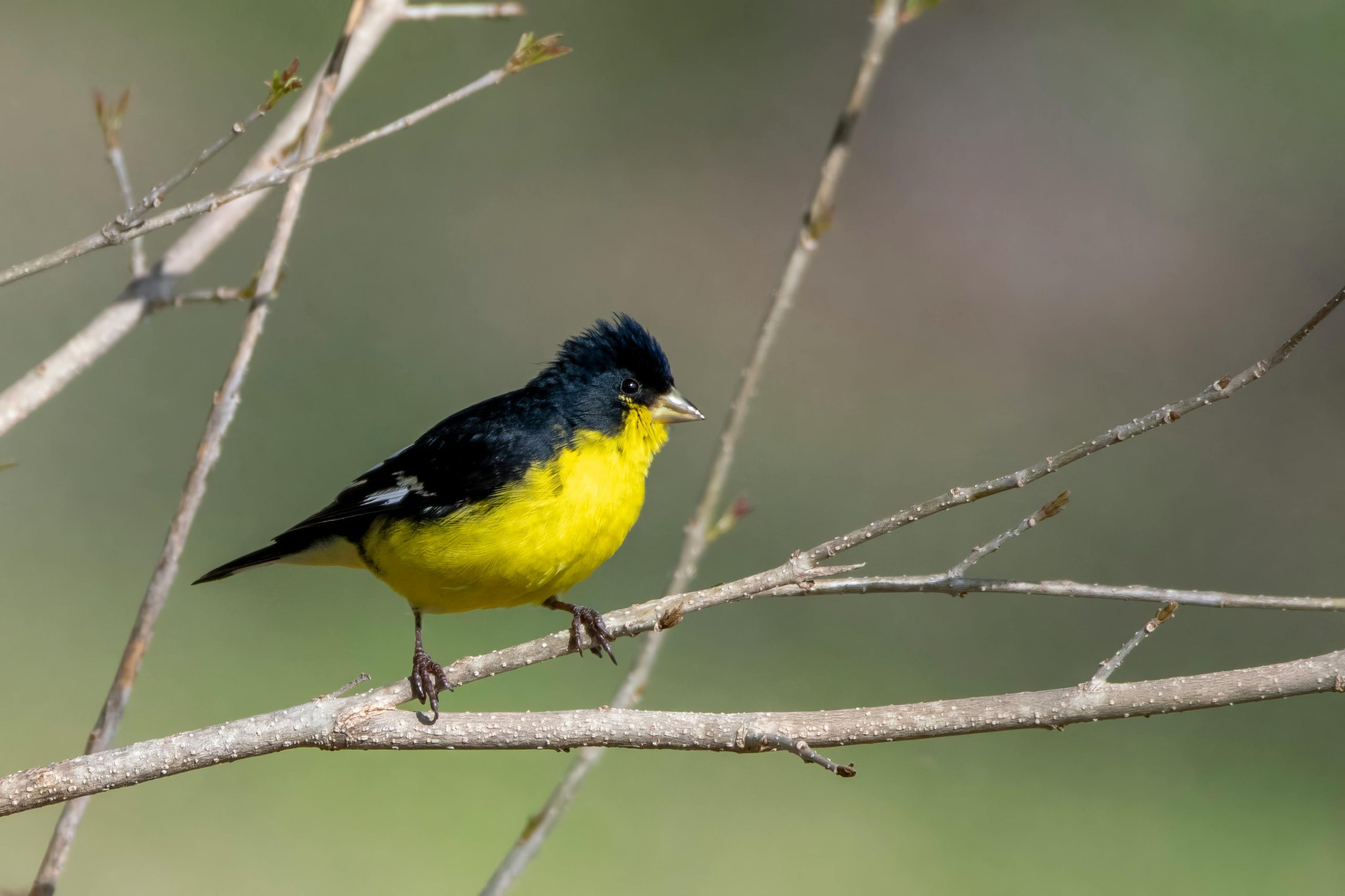
The bird on the tree relies on its wings

Photo by Aaron J Hill on Pexels.com

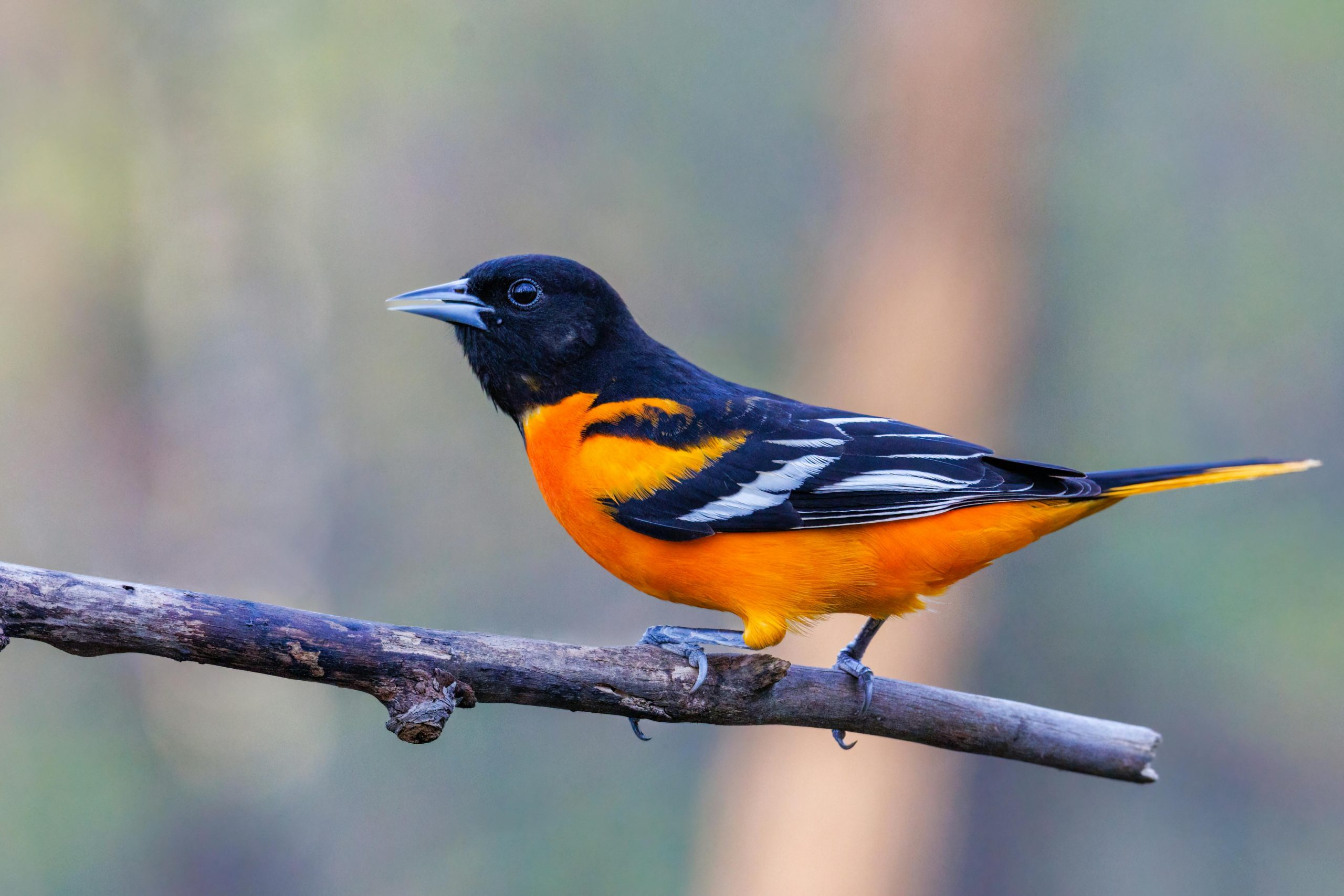
Photo by Aaron J Hill on Pexels.com

The bird on the tree relies on its wings and not on the branch of the tree it is sitting upon. In fact, it is a timeless image that captures the essence of human courage more powerfully than any motivational slogan ever could: a small bird perched on a fragile branch. The branch sways, the wind howls, and the world below is a dizzying drop of uncertainty. Yet the bird is unafraid. Its confidence does not come from the strength of the branch but from the strength of its own wings.

This simple truth holds a mirror to our lives. We spend so much time inspecting the “branches” we sit on—our circumstances, our resources, the economy, the opinions of others, the perfect timing we hope will magically appear. We cling to these external supports, believing they must be strong before we dare to move. But the bird knows something we often forget: security does not come from what we sit on, but from what we carry within.

The First Flight: A Lesson in Instinct and Boldness that relies on wings

Picture the fledgling on the edge of its nest. Its wings are untested. Its body is tiny against the vastness of the sky. The rocks below are sharp, the ravines deep, the winds unpredictable. By all logical measures, this is not the “right time” to fly.

And yet, the bird leaps.

Not because it has guarantees. Not because the world has arranged itself into a perfect safety net. It leaps because something inside whispers, Try. It trusts an instinct older than fear as it trusts the intelligence of life itself.

That first flight is never graceful. In fact, its wings flap awkwardly. The air feels unfamiliar and the body wobbles. But in that messy, imperfect beginning lies the seed of mastery. The bird discovers its strength not by waiting, but by moving.

Humans, on the other hand, often do the opposite. We wait and analyze. In addition, we postpone because we tell ourselves we need more clarity, more confidence, more preparation. Moreover, we wait for the “right moment,” not realizing that the right moment is created only when we begin.

The Myth of the Perfect Time

One of the greatest illusions that holds people back is the belief that there will be a perfect moment to start something new. A perfect moment to change careers and a perfect moment to launch a project. Not to mention a perfect moment to speak up, to create, to explore, to reinvent.

But life does not operate on such neat timelines. The world rarely pauses to give us a clean runway. If anything, the longer we wait, the more reasons we find to keep waiting.

The pioneers of history—explorers, artists, scientists, entrepreneurs, spiritual seekers—did not wait for ideal conditions. They moved when things were uncertain, unclear, and often uncomfortable. Their pioneering spirit was not born from certainty but from courage.

They trusted their wings.

Relying on Oneself: The Inner Compass

To rely on oneself does not mean rejecting support or guidance. It means recognizing that the final decision, the final leap, must come from within. It means trusting your inner compass even when the world around you is full of noise.

Self-reliance is not arrogance. It is alignment.

It is the quiet confidence that says:

  • I may not know everything, but I know enough to begin.
  • I may not feel fully ready, but readiness grows through action.
  • I may not have guarantees, but I have the ability to respond, adapt, and learn.

When you rely on yourself, you stop outsourcing your courage. Besides, you stop waiting for permission and you stop letting circumstances dictate your destiny.

You begin to live from the inside out.

The Pioneering Spirit: Blazing New Trails

Photo by James Wheeler on Pexels.compioneering path

Every trail that exists today was once untrodden. Every path that feels obvious now was once invisible. Someone had to take the first step. Someone had to walk into the unknown with nothing but intuition and determination.

This pioneering spirit is not reserved for a chosen few. It lives in all of us.

You express it when you start something no one in your family has done before.
>You express it when you choose authenticity over approval.
>You express it when you take a risk that aligns with your deeper calling.
>You express it when you trust your instinct even if others don’t understand it.

Blazing new trails is not about grand gestures. It is about small, consistent acts of courage. It is about choosing movement over stagnation, curiosity over fear, and growth over comfort.

Why Instinct Matters More Than Certainty

Instinct is the wisdom of life speaking through you. It is the subtle nudge, the inner pull, the quiet knowing that says, This is your direction. Instinct does not shout. It whispers. And because it whispers, it is easy to ignore.

But instinct is often more reliable than logic when it comes to beginnings. Logic wants proof. Instinct wants experience. Logic wants guarantees. Instinct wants exploration.

The fledgling does not calculate wind speed or analyze the aerodynamics of its wings. It simply feels the urge to fly—and follows it.

Humans have the same instinctive intelligence, but we bury it under layers of doubt, fear, and overthinking. When we reconnect with instinct, we reconnect with our natural courage.

The Courage to Begin: The Only Door to Transformation

Every meaningful journey begins with a single, imperfect step. Not a perfect step or a confident step. Besides, it is not a well-planned step. Just a step!

The courage to begin is the birthplace of all transformation.

You don’t need to see the entire path.
>You don’t need to have everything figured out.
>You don’t need to wait for the winds to calm or the rocks to soften.

You need only to trust your wings.

Because once you begin, something shifts. Momentum builds. Clarity emerges. Opportunities appear. Confidence grows. The world responds to movement in a way it never responds to hesitation.

The Branch May Break—But You Will Not

Life will always have uncertainties. Branches will sway. Circumstances will change. Plans will fail. People will disappoint. Opportunities will come and go.

But your wings—your resilience, your intuition, your creativity, your courage—are yours forever.

When you trust your wings, you stop fearing the fall. Moreover, you stop clinging to external supports. Not only that, you stop shrinking yourself to fit into safe spaces.

You begin to live boldly.

A Final Invitation

If there is something you’ve been postponing—an idea, a dream, a conversation, a project—let this be your moment. Not because conditions are perfect, but because you are ready enough.

Leap like the fledgling.
Trust like the bird on the branch.
Rely on yourself.
Blaze your trail.
Let instinct guide your first step.

The sky does not belong to those who wait.
It belongs to those who begin.

Overview

“Yoga Postures: Unlocking Your Inner Strength and Balance”

Introduction

Exploring Yoga postures today is an important pursuit for health conscious people. Yoga is an ancient practice that has been in use for centuries to promote physical and mental well being. They are a form of exercise that can help to improve flexibility, strength, balance, and coordination. Also, Yoga postures can help to reduce stress, improve concentration, and increase energy levels. With regular practice, yoga postures can help to improve overall health and well being. In this article, we will explore the different types of yoga postures and their benefits.

Exploring the Benefits of Restorative Yoga: How to Use Props to Deepen Your Practice

Restorative yoga is a gentle form of yoga that focuses on relaxation and healing. It is a practice that can be used to reduce stress, improve sleep, and increase overall well being. By using props such as bolsters, blankets, and blocks, practitioners can deepen their practice and experience the full benefits of restorative yoga.

Why Use Props?

The use of props in restorative yoga helps to create a sense of comfort and support. Bolsters are a great tool for providing support to the body in various poses. Especially useful if the student is suffering from stiffness in the joints that prevents him/her to do the poses.  They also support the spine, hips, and legs, allowing the body to relax more deeply. Blankets provide warmth and comfort, besides supporting the body while doing the poses. Moreover, Blocks help the body find a more comfortable position in poses, as well as to provide support for the head and neck.

Things to remember:

When using props in restorative yoga, it is important to remember that the body maybe a bit stiff for many practitioners. It is also important to make sure that the placement of the props allows the body to relax and open. For example, when using a bolster,the spine, neck  and shoulders are free from any tension. Using a blanket, ensures that the body becomes warm and comfortable without putting any strain on the joints.

Caucasian females legs on yoga mat with yoga props

Using props in restorative yoga can help to deepen the practice and allow the body to relax more deeply. By providing support and comfort, props can help to create a sense of safety and security, allowing the body to let go of tension and stress. With regular practice, the use of props can help to create a sense of balance and harmony in the body, allowing practitioners to experience the full benefits of restorative yoga.

The Benefits of Pranayama: Exploring the Benefits of Breath work in Yoga

Pranayama is an ancient practice of breath work in yoga that has been in vogue for centuries to promote physical and mental well being. It is a powerful tool for self-care which reduces stress, improves concentration, and increases the energy levels. Pranayama is a Sanskrit word that translates to “extension of the breath” or “breath control.” It is a practice of controlling the breath through various breathing techniques, such as deep breathing, alternate nostril breathing, and kapalabhati.

pranayamam

Group of people practicing alternate nostril breathing technique

Physical Benefits:

The practice of pranayama has many benefits for both physical and mental health. Physically, it can help to improve respiratory function, reduce blood pressure, and increase oxygen levels in the body. It can also help to improve digestion, reduce fatigue, and improve overall physical health.

Mentally, pranayama can help to reduce stress and anxiety, improve concentration, and increase mental clarity. In addition, to improving sleep quality and reducing insomnia, it is easy to practice it as well. It is a simple practice that requires no special equipment or clothing. All it requires is a comfortable place to sit and a few minutes of uninterrupted time. One can do it alone or with a group of people. It is a great way to connect with yourself and with others.

Pranayama is a powerful tool for self-care. It is a simple practice that reduces stress and anxiety, improves concentration, and increases energy levels. It is a great way to connect with yourself spiritually.

Exploring the Benefits of Inversions: How to Safely Practice Headstands and Shoulder stands

Inversions are yoga poses that involve inverting the body, such as headstands and shoulder-stands also known as Sirsasan and Sarvangasana. These poses can provide a variety of physical and mental benefits, including improved circulation, increased energy, and improved concentration. However, it is important to practice inversions safely in order to avoid injury preferably under the guidance of a qualified yoga instructor.

When practicing headstands, it is important to use a wall for support. Begin by kneeling on the floor and placing your forearms on the ground. Place the top of your head on the floor and interlace your fingers. Slowly walk your feet in towards your head until your hips are over your shoulders. Lift your feet off the ground and press your toes into the wall. Hold the pose for as long as is comfortable.

Lifestyle. Young woman exploring yoga for balance

Lifestyle. Young woman exploring yoga for balance

Shoulder stands are a bit more challenging than headstands, but can be just as beneficial. Begin by lying on your back with your legs together and your arms at your sides. Bend your knees and bring your feet towards your buttocks. Place your hands on your lower back for support and slowly lift your legs up towards the ceiling. Keep your legs straight and your toes pointed. Hold the pose for as long as is comfortable.

Inversions can provide a variety of physical and mental benefits, but it is important to practice them safely in order to avoid injury. When practicing headstands and shoulder stands, use a wall for support and hold the poses for as long as is comfortable. With regular practice, you can enjoy the many benefits of inversions.

The Benefits of Sun Salutations: Exploring the Benefits of a Classic Yoga Sequence

Sun salutations, or Surya Namaskar, is a classic yoga sequence that is prelude to yogasanas proper.This sequence of 12 postures is designed to warm up the body and prepare it for a more intense yoga practice. Sun salutations are also a great way to start the day, as they can help to energize the body and mind.

12 Step process:
Sun salutation for the perfect balance

Woman doing yoga Sun salutation Surya Namaskar

The sequence of postures helps to increase circulation and flexibility, while also strengthening the muscles. This can help to reduce the risk of injury during a yoga practice. Additionally, sun salutations can help to improve posture and balance, as well as increase core strength.

Sun salutations are also a great way to start the day. The sequence of postures helps to energize the body and mind, while also calming the nervous system. This can help to reduce stress and anxiety, while also improving focus and concentration. Additionally, sun salutations can help to improve digestion and metabolism, as well as boost the immune system.

Finally, sun salutations are a great way to connect with the breath. The sequence of postures helps to synchronize the breath with the movements, which can help to improve breathing technique and increase lung capacity. This can help to reduce stress and improve overall well being.

Conclusion

In conclusion, yoga postures are an excellent way to improve physical and mental health. They can help to reduce stress, improve flexibility, and strengthen the body. With regular practice, yoga postures can help to improve overall well being, balance and quality of life. In particular, sun salutations are a great way to warm up the body and prepare it for a more intense yoga practice. They can also help to energize the body and mind, while also calming the nervous system.. Additionally, sun salutations can help to improve posture and balance, as well as increase core strength and connect with the breath.


Newsletter

Yoga Dhyan Updates & News Weekly

Yoga Dhyan Center
Sign up to be in the know.