Posts In: Meditation

Meditation is the process of observing and witnessing the activities of the self much like a third person.


Online Yoga Class vs Offline Class: Pros, Cons & Time-Saving Benefits

In recent years, the way people learn and practice wellness has undergone a remarkable transformation. Yoga and meditation, once primarily taught in physical studios and community halls, are now widely available online. With the rise of digital platforms, an online yoga class or online meditation class is only a click away.

online meditation

Young woman practicing meditation on her bed


For busy professionals, parents, and individuals seeking balance in their lives, this shift has opened new possibilities. Yet, like any innovation, online learning has both advantages and limitations. Understanding the pros and cons of online yoga and meditation classes can help you choose what works best for your lifestyle.

Let us explore both sides.

The Pros of Online Yoga & Meditation Classes

Saves Time and Eliminates Travel

One of the biggest advantages of an online yoga class is the time saved by not traveling to a physical studio.

Consider the typical routine of attending an offline class. You need to prepare, commute through traffic, find parking, and return home afterward. For many people in busy cities, this could easily consume one to two hours apart from the actual class.

With an online meditation class or yoga session, you simply roll out your mat at home and begin. The time saved can be used for relaxation, family time, or even deeper practice.

For working professionals managing demanding schedules, this convenience often makes the difference between practicing regularly and skipping sessions altogether.

Comfort of Practicing at Home

Practicing yoga or meditation in your own home provides a unique sense of comfort and privacy.

Some beginners feel hesitant joining a studio where experienced practitioners are present. An online yoga class allows you to practice at your own pace without feeling self-conscious.

Similarly, an online meditation class conducted from the comfort of your home can create a relaxed environment where you feel safe to explore stillness and introspection.

Your home becomes your personal sanctuary for wellness.

Calm of caucasian young woman doing yoga lotus pose to meditation and relax on couch during work

Calm woman doing yoga lotus pose to meditation and relax on couch during work

Flexibility in Scheduling

Online learning offers unmatched flexibility.

Many online platforms provide both live classes and recorded sessions. If you miss a session due to work commitments, you can simply access the recording later.

This flexibility is particularly valuable for people working in shifts, frequent travelers, or those balancing family responsibilities.

Instead of adjusting your life around a fixed class schedule, an online yoga class allows the practice to fit naturally into your day.

Access to Global Teachers

Another remarkable advantage of online learning is access to teachers from across the world.

Earlier, your choices were limited to instructors available in your city. Today, an online meditation class might be conducted by a teacher in another country, offering unique techniques and perspectives.

Students can explore different traditions of yoga and meditation without geographical limitations.

This diversity enriches the learning experience.

Cost Effectiveness

Online classes are often more affordable than studio-based programs.

Without the overhead costs of maintaining a physical space, many instructors can offer high-quality teaching at lower prices. This makes an online yoga class accessible to a wider audience.

Additionally, there are savings from reduced travel expenses, fuel costs, and parking fees.

Photo by Atlantic Ambience httpswww.pexels.com photoaerial-photo-of-vehicles-in-the-city-1031698

Over time, the financial benefits become significant.

The Cons of Online Yoga & Meditation Classes

Limited Personal Correction

One challenge of online learning is the reduced ability of instructors to physically correct postures.

In a traditional studio, a teacher can observe your alignment and gently guide you to adjust your position. This hands-on guidance is particularly useful for beginners.

During an online yoga class, instructors rely mainly on verbal cues and visual observation through the screen, which may limit detailed correction.

However, experienced teachers can still provide effective guidance through clear instruction.

Potential for Distractions at Home

While home offers comfort, it can also present distractions.

Phone notifications, family members, household chores, or background noise may interrupt your focus during an online meditation class.

Maintaining discipline and creating a quiet practice space becomes important for an effective session.

 Requires Self-Motivation

When attending a physical class, the environment itself motivates you to stay engaged.

At home, however, maintaining consistency requires greater self-discipline. Without a teacher physically present, some students may find it easier to skip sessions.

Developing a routine and setting a fixed practice time can help overcome this challenge.

Technology Dependence

Online learning depends on reliable internet connectivity and suitable devices.

Technical issues such as poor video quality, unstable connections, or audio disruptions can occasionally interrupt an online yoga class.

Although these challenges are becoming less common as technology improves, they remain a factor to consider.

Finding the Right Balance

While both formats have their strengths, many practitioners today adopt a hybrid approach.

They may attend occasional studio sessions for deeper guidance while maintaining regular practice through an online yoga class at home.

Similarly, an online meditation class can become a daily anchor for mental clarity and emotional balance.

The key is to choose the format that supports consistency, because the benefits of yoga and meditation arise from regular practice.

Why Online Meditation Classes Are Becoming Popular

The digital transformation of wellness is not just a temporary trend. Online learning has made yoga and meditation more accessible than ever before.

For millions of people who previously struggled to find time for self-care, the ability to join an online yoga class or online meditation class from home has been a game changer.

The time saved from commuting, the flexibility of schedules, and the comfort of practicing in a familiar environment make online classes a powerful option for modern lifestyles.

Ultimately, whether you practice online or offline, the true purpose of yoga and meditation remains the same — cultivating balance, stillness, awareness, and inner peace.

Frequently Asked Questions

1. Are online yoga classes suitable for beginners?
Yes. Many online yoga classes are designed specifically for beginners with simple instructions and guided demonstrations.

2. What do I need to join an online meditation class?
All you need is a quiet space, a stable internet connection, and a comfortable place to sit.

3. Is practicing yoga at home as effective as a studio class?
Yes. With proper guidance and consistency, practicing yoga at home through an online yoga class can be equally effective.

What is the hyperlink to stress?

Hypertension is one of the most distressing conditions that is prevalent in India. A working professional today lives inside a web of deadlines, targets and expectations. Moreover, commuting between office and home in distressing traffic snarls and digital overload with constant comparison, he/she juggles the various tasks.

stressed individual

Photo by Liza Summer: https://www.pexels.com/photo/worried-young-woman-covering-face-with-hand-6382634/

In fact, this web is not just psychological—it is physiological. Therefore, the “hyperlink” between stress and hypertension is the hormone cortisol, which acts like a hidden code connecting the mind’s pressure to the body’s blood pressure.

The Stress–Hypertension Connection

Stress triggers the fight‑or‑flight response, releasing cortisol and adrenaline. These hormones:

  • Increase heart rate
  • Constrict blood vessels
  • Elevate blood pressure temporarily

When this becomes chronic—daily deadlines, unrealistic targets, long commutes, late‑night emails—the temporary spikes become a baseline elevation, contributing to sustained hypertension. In fact hypertension is the most prevalent condition that is the result of this cause.

Studies show that chronic stress alters the autonomic nervous system, keeping the body in a semi‑permanent “alert” mode. Over time, this leads to vascular inflammation, endothelial dysfunction, and higher resting blood pressure. Remember the classical goal in a football match, that happens after various skillful moves by defenders? The moment when the goal is scored, everyone in the goal assist process is in an increased adrenaline flow, but it is only because it is the culmination of the act of goal scoring. But it cannot become the norm while dribbling!

goal!

Photo by Stanley Morales: https://www.pexels.com/photo/men-playing-football-3148452/

How Modern Work Culture Fuels Cortisol

Working professionals today face a unique cluster of stressors:

  • Deadlines and time pressure — cortisol rises sharply when tasks feel unmanageable.
  • Unrealistic targets vs. achievement — the gap between expectation and reality creates chronic anticipatory stress similar to the expectation of a goal every other moment!
  • Long commute times — studies show that each additional 20 minutes of commute increases stress biomarkers.
  • Overthinking and anxiety — rumination keeps cortisol elevated even after work hours.
  • Digital overload — constant notifications prevent the nervous system from returning to baseline.
  • Poor sleep — cortisol remains high when sleep is fragmented or insufficient.

This chronic cortisol load interacts with the modifiable causes of hypertension, creating a dangerous loop.

Modifiable Causes: How Stress Amplifies Each One

Stress rarely acts alone. It pushes people toward habits that directly raise blood pressure:

  • High-salt diet — stress eating increases cravings for salty, processed foods.
  • Low fruit/vegetable intake — convenience replaces nutrition during busy workdays.
  • Physical inactivity — long sitting hours and exhaustion reduce movement.
  • Overweight/obesity — cortisol promotes abdominal fat accumulation.
  • Alcohol consumption — used as a coping mechanism for stress relief.
  • Tobacco use — nicotine temporarily calms but chronically elevates BP.
  • High stress — the central amplifier of all risk factors.
  • Poor sleep quality — cortisol disrupts sleep; poor sleep increases cortisol.

Stress is not just one factor—it is the force multiplier that worsens every other modifiable cause.

What Research Says About Stress and Hypertension

Several studies highlight this link:

  • Mayo Clinic notes that stress causes temporary BP spikes and indirectly contributes to long‑term hypertension through unhealthy coping behaviors. mayoclinic.org
  • American Heart Association emphasizes that stress hormones constrict blood vessels and increase heart rate, raising BP temporarily but repeatedly. heart.org
  • Cleveland Clinic reports that chronic stress leads to poor sleep, inactivity, and unhealthy food choices—all strong contributors to hypertension. health.clevelandclinic.org

While stress alone may not always cause sustained hypertension, stress-driven behaviors and physiological changes absolutely do.

Global and Indian Hypertension Snapshot

  • Globally, 1.4 billion adults have hypertension.
  • In India, 22–24% of adults are hypertensive, with rising numbers among working-age populations.
  • Nearly half of hypertensive individuals are unaware of their condition.
  • Control rates remain low worldwide, especially in low- and middle-income countries.

These numbers reflect not just lifestyle but the stress architecture of modern living.

traffic snarls

Photo by el jusuf: https://www.pexels.com/photo/motorcycles-and-cars-on-a-busy-street-20530624/

What Drug Trials Reveal

Hypertension drug trials consistently show that:

  • ACE inhibitors, ARBs, calcium channel blockers, and diuretics effectively reduce BP.
  • However, patients with high stress levels show slower BP normalization, even with medication.
  • Trials also show that mind–body interventions (yoga, meditation, breathing practices) improve drug effectiveness by reducing sympathetic overactivity.

A 2021 study on stress interventions in hypertensive women showed significant BP reduction when stress management was combined with medication. mayoclinic.org

This reinforces a key truth:
Medication controls numbers while modification of lifestyle changes the cause of stress.

Why Stress Management Must Be Central

Hypertension is not just a cardiovascular issue—it is a lifestyle and nervous system issue that results in:

  • Blood vessels stay constricted
  • Heart rate stays elevated
  • Sleep becomes shallow
  • Appetite becomes dysregulated
  • Emotional resilience drops

This is why yoga, meditation, breathwork, and mindful living are not “alternatives”—they are core therapeutic strategies.

“What is the hyperlink to stress?”
The hyperlink is cortisol.
The hyperlink is lifestyle.
The hyperlink is the invisible thread connecting the mind’s pressure to the body’s pressure.

Stress is not just an emotion or reaction to a stress causer, but is a physiological event with measurable cardiovascular consequences. Since it is modifiable, it is also a doorway to healing.


Unlock a Life of freedom: Transform Stress into Stillness

Join our FREE “5-Day Yoga Challenge” now! Welcome to the live yoga classes from 23.02.26 Monday to 27.02.26 Friday and experience for yourself.

In today’s fast-paced world, juggling deadlines, family, travelling and endless notifications leaves most of us exhausted and overwhelmed.

Imagine flipping that script—by gaining physical and mental strength, better immunity, and a great body. Not only that, the ability to look great and young forever is the result of your consistent practice! Picture yourself with more energy, feel joyful, achieve emotional as well as work-life balance.

Discover your path staying where you are!

If you’re a busy professional craving real change, this isn’t just another fitness program. Actually it’s a holistic journey using Hatha Yoga, Chakra Healing, and powerful mindfulness practices which would build self-awareness, self-worth, self-esteem, and self-confidence. Not only that, you would also be able to discover your purpose, embrace surrender, and celebrate life every day.

In addition, through witnessing your thoughts without judgment, you’ll build unshakeable resilience. Ready to start? Join our free 5-Day Challenge—live yoga classes from Monday to Friday. It’s your no-risk entry to this transformative world!

The Benefits That Redefine Your Life

This is not about quick fixes that promises results in a jiffy!  Actually, it’s a structured path to lasting vitality. Moreover, it is rooted in ancient wisdom which delivers benefits you’ll feel gradually that sustains forever.

Starting with Hatha Yoga practices that sculpt a great body while boosting physical strength, ensures your flexibility.

The Simple Tree pose for stability:

Explore more such poses like the Bridge pose for core power, building and toning your muscles. In addition, it improves flexibility providing a aligned posture. Not to mention, that the participants report results in weeks such as: firmer abs, radiant skin, and that effortless glow that makes you look young forever. No gym grind required—just 60-75 minutes daily.

Work from Home

But it’s deeper than the physical. As a matter of fact, Meditation and mindfulness practices builds up mental strength, helping you stay calm amid chaos. In addition to that, the art of observing thoughts which are like clouds passing in the sky becomes a natural habit. In fact, this dissolves stress and overthinking in a natural way, ensuring burnout disappears without a trace. This helps in ensuring you’ll navigate life with clarity and achieving a remarkable work-life balance.

Moreover, your health transforms too, as a result of these regular practices. In fact, this consistent practice at a specified time everyday,  supercharges you for better immunity. As a result, your body flushes out toxins strengthening its defenses for a truly disease-free life.

Studies back this—yoga reduces inflammation markers by up to 30%, slashing risks of common ailments like colds, hypertension, and digestive issues. You’ll wake with more energy, powering through your day without the mid-afternoon crash.

Different Practices for one purpose: Alignment

Emotionally, expect breakthroughs. Our Chakra Healing sessions align your energy centers, from root chakra for security to crown for enlightenment. Combined with self-awareness drills, you’ll cultivate self-worth, self-esteem, and self-confidence. Imagine pitching ideas at work fearlessly or saying no without guilt. This inner work reveals your purpose, teaching surrender to life’s flow while urging you to celebrate life in every breath.

Spiritually, spiritual health blooms. Mindfulness meditations connect you to a joyful core, making you feel joyful no matter the circumstances. Members share stories of ditching anxiety meds, mending relationships, and discovering profound peace.

Mindful woman at lake

Mindful woman at lake

The Proven Methods: Your Roadmap to Transformation

Our methods blend tradition with accessibility, perfect for your lifestyle.

Hatha Yoga forms the foundation—balanced poses and breathwork that energize without exhaustion. We adapt for all levels, ensuring beginners build physical strength safely.

Chakra Healing targets blockages with guided visualizations and sound therapy, restoring better immunity and vitality. Feel energy surge as imbalances dissolve.

Awareness and Mindfulness

Self-development modules dive into self-awareness, helping you question limiting beliefs. Build self-worth through affirmations, self-esteem via journaling, and self-confidence with role-playing scenarios tied to your purpose.

Advanced practices include surrender meditations—releasing control to invite flow—and rituals to celebrate life, like gratitude circles that amplify joy.

Guided meditation and mindfulness sessions teach witnessing, turning reactive habits into empowered choices. Track progress with our app: log moods, poses, and insights for personalized tweaks.

Results? A disease-free body, great body aesthetics, more energy for 12-hour days, and look young forever vibrancy. Achieve work-life balance by integrating short sessions into commutes or breaks—ideal for your 3-hour daily content creation routine.

Real Stories from Yoga Dhyan Center Members

Don’t just take my word. Priya, a 35-year-old marketer, joined regular classes almost an year ago. Overwhelmed by deadlines, she says: ” Yoga and Chakra Healing gave me emotional balance. Now, I have mental strength, and feel joyful daily. Besides, my immunity skyrocketed! – No sick days last year!”

Rajesh, a developer, found purpose through committed practice that naturally developed his self-confidence. Moreover, he continued,” Meditation alleviated my stress, which brought me focus. Not only that, I gained more energy and the motivation to build a great body, and nailed my promotion while balancing family time.”

From Stress to Stillness: Your Free 5-Day Challenge Starts Now

Are you still doubting if this fits you? Doubt no further! Test it now by registering for the FREE 5-Day Yoga Challenge! Commit yourself to attend the yoga classes from this Monday to Friday (23-27 Feb, 2026). Experience Hatha Yoga, mindfulness, and a taste of witnessing to kickstart your day. It’s designed for busy professionals like you: 60-minute sessions via Zoom, right at the comfort of your home!

Spots fill fast—Register Now and claim your preview of our Regular Classes. So that, you could easily upgrade for full access to enjoy unlimited classes, recordings, and community support.

Why wait? Embrace yoga, meditation, and mindfulness today. You have nothing to lose! Build mental strength, a great body, better immunity, and emotional balance. Look young forever, overflow with more energy, nurture spiritual health, and feel joyful. Discover your purpose, practice surrender, boost self-esteem, and celebrate life.

Your disease-free, balanced life awaits at Yoga Dhyan Center. Click Here:  Register Now  for the 5 Days Yoga Challenge.

Your Wings: The Courage to Begin Before You Feel Ready

The bird on the tree relies on its wings

Photo by Aaron J Hill on Pexels.com

Photo by Aaron J Hill on Pexels.com

The bird on the tree relies on its wings and not on the branch of the tree it is sitting upon. In fact, it is a timeless image that captures the essence of human courage more powerfully than any motivational slogan ever could: a small bird perched on a fragile branch. The branch sways, the wind howls, and the world below is a dizzying drop of uncertainty. Yet the bird is unafraid. Its confidence does not come from the strength of the branch but from the strength of its own wings.

This simple truth holds a mirror to our lives. We spend so much time inspecting the “branches” we sit on—our circumstances, our resources, the economy, the opinions of others, the perfect timing we hope will magically appear. We cling to these external supports, believing they must be strong before we dare to move. But the bird knows something we often forget: security does not come from what we sit on, but from what we carry within.

The First Flight: A Lesson in Instinct and Boldness that relies on wings

Picture the fledgling on the edge of its nest. Its wings are untested. Its body is tiny against the vastness of the sky. The rocks below are sharp, the ravines deep, the winds unpredictable. By all logical measures, this is not the “right time” to fly.

And yet, the bird leaps.

Not because it has guarantees. Not because the world has arranged itself into a perfect safety net. It leaps because something inside whispers, Try. It trusts an instinct older than fear as it trusts the intelligence of life itself.

That first flight is never graceful. In fact, its wings flap awkwardly. The air feels unfamiliar and the body wobbles. But in that messy, imperfect beginning lies the seed of mastery. The bird discovers its strength not by waiting, but by moving.

Humans, on the other hand, often do the opposite. We wait and analyze. In addition, we postpone because we tell ourselves we need more clarity, more confidence, more preparation. Moreover, we wait for the “right moment,” not realizing that the right moment is created only when we begin.

The Myth of the Perfect Time

One of the greatest illusions that holds people back is the belief that there will be a perfect moment to start something new. A perfect moment to change careers and a perfect moment to launch a project. Not to mention a perfect moment to speak up, to create, to explore, to reinvent.

But life does not operate on such neat timelines. The world rarely pauses to give us a clean runway. If anything, the longer we wait, the more reasons we find to keep waiting.

The pioneers of history—explorers, artists, scientists, entrepreneurs, spiritual seekers—did not wait for ideal conditions. They moved when things were uncertain, unclear, and often uncomfortable. Their pioneering spirit was not born from certainty but from courage.

They trusted their wings.

Relying on Oneself: The Inner Compass

To rely on oneself does not mean rejecting support or guidance. It means recognizing that the final decision, the final leap, must come from within. It means trusting your inner compass even when the world around you is full of noise.

Self-reliance is not arrogance. It is alignment.

It is the quiet confidence that says:

  • I may not know everything, but I know enough to begin.
  • I may not feel fully ready, but readiness grows through action.
  • I may not have guarantees, but I have the ability to respond, adapt, and learn.

When you rely on yourself, you stop outsourcing your courage. Besides, you stop waiting for permission and you stop letting circumstances dictate your destiny.

You begin to live from the inside out.

The Pioneering Spirit: Blazing New Trails

Photo by James Wheeler on Pexels.compioneering path

Every trail that exists today was once untrodden. Every path that feels obvious now was once invisible. Someone had to take the first step. Someone had to walk into the unknown with nothing but intuition and determination.

This pioneering spirit is not reserved for a chosen few. It lives in all of us.

You express it when you start something no one in your family has done before.
>You express it when you choose authenticity over approval.
>You express it when you take a risk that aligns with your deeper calling.
>You express it when you trust your instinct even if others don’t understand it.

Blazing new trails is not about grand gestures. It is about small, consistent acts of courage. It is about choosing movement over stagnation, curiosity over fear, and growth over comfort.

Why Instinct Matters More Than Certainty

Instinct is the wisdom of life speaking through you. It is the subtle nudge, the inner pull, the quiet knowing that says, This is your direction. Instinct does not shout. It whispers. And because it whispers, it is easy to ignore.

But instinct is often more reliable than logic when it comes to beginnings. Logic wants proof. Instinct wants experience. Logic wants guarantees. Instinct wants exploration.

The fledgling does not calculate wind speed or analyze the aerodynamics of its wings. It simply feels the urge to fly—and follows it.

Humans have the same instinctive intelligence, but we bury it under layers of doubt, fear, and overthinking. When we reconnect with instinct, we reconnect with our natural courage.

The Courage to Begin: The Only Door to Transformation

Every meaningful journey begins with a single, imperfect step. Not a perfect step or a confident step. Besides, it is not a well-planned step. Just a step!

The courage to begin is the birthplace of all transformation.

You don’t need to see the entire path.
>You don’t need to have everything figured out.
>You don’t need to wait for the winds to calm or the rocks to soften.

You need only to trust your wings.

Because once you begin, something shifts. Momentum builds. Clarity emerges. Opportunities appear. Confidence grows. The world responds to movement in a way it never responds to hesitation.

The Branch May Break—But You Will Not

Life will always have uncertainties. Branches will sway. Circumstances will change. Plans will fail. People will disappoint. Opportunities will come and go.

But your wings—your resilience, your intuition, your creativity, your courage—are yours forever.

When you trust your wings, you stop fearing the fall. Moreover, you stop clinging to external supports. Not only that, you stop shrinking yourself to fit into safe spaces.

You begin to live boldly.

A Final Invitation

If there is something you’ve been postponing—an idea, a dream, a conversation, a project—let this be your moment. Not because conditions are perfect, but because you are ready enough.

Leap like the fledgling.
Trust like the bird on the branch.
Rely on yourself.
Blaze your trail.
Let instinct guide your first step.

The sky does not belong to those who wait.
It belongs to those who begin.

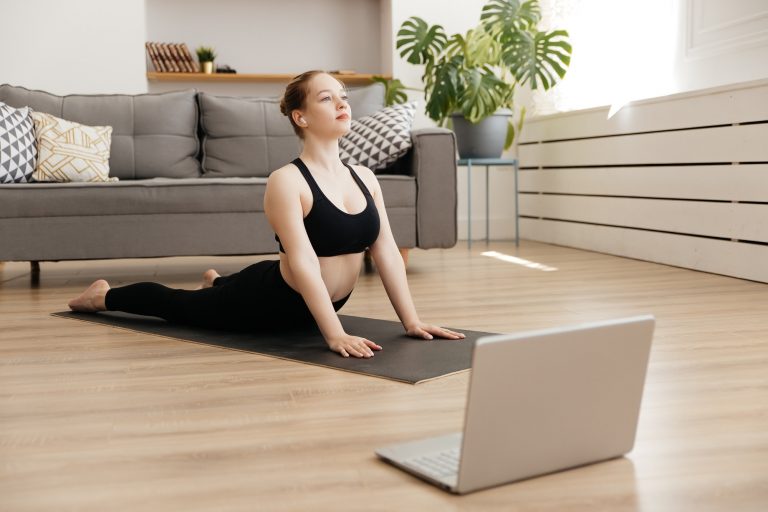
Young woman Doing Stretching Exercises on a yoga mat

The Benefits of Yoga for Athletes: A Game-Changer for Performance and Recovery

Athletes, both professional and recreational, are constantly searching for ways to improve their performances. Besides increase of their stamina, recovery from intense training sessions plays a key role. While strength, endurance, and speed are often the focus, there’s another vital aspect that many athletes tend to overlook: the mind-body connection.

This is where yoga and meditation come in—a powerful, yet often underestimated tool to help athletes achieve peak performance. At the Yoga Dhyan Center for online classes, athletes can now incorporate these ancient practices into their routines, all from the comfort of their home.

In this blog, we’ll explore the profound benefits of yoga and meditation for athletes, demonstrating how these practices can optimize performance, prevent injuries, and speed up recovery.

1. Enhanced Flexibility and Mobility

One of the most apparent benefits of yoga for athletes is the significant improvement in flexibility. Whether you’re a runner, cyclist, weightlifter, or engage in high-intensity sports like soccer or basketball, flexibility is critical. Moreover, many athletic pursuits require repetitive motion, which can lead to muscle tightness and imbalances. Therefore, over time, this can limit your range of motion, increasing the likelihood of injury.

Yoga incorporates a wide range of stretching exercises that focus on the entire body. Poses like the downward dog, pigeon pose, and warrior stretches help open up muscles and improve joint mobility. By practicing yoga regularly, athletes can maintain better posture and alignment, reducing the wear and tear on their bodies.

At the Yoga Dhyan Center, our online yoga classes are designed to target the specific flexibility needs of athletes. With easy access to these sessions from the comfort of your home, adding yoga to your training regimen has never been easier.

2. Improved Strength and Stability

While yoga is often perceived as a practice focused solely on flexibility, it is also an excellent tool for building strength. Besides, Yoga requires the activation of stabilizing muscles that are often neglected in traditional weight training or sport-specific workouts.

Poses like plank, chair pose, and various balance postures strengthen your core, which is essential for maintaining stability during any athletic movement. Athletes who engage in yoga can develop functional strength, meaning that their muscles become stronger and more capable of supporting the movements required for their sport.

For instance, yoga helps with dynamic strength, which is essential for explosive movements like jumping, sprinting, or sudden changes in direction.The Yoga Dhyan Center’s online classes incorporate strength-building asanas that cater to all levels of athletes, allowing them to grow stronger without having to leave home.

3. Increased Mental Focus and Clarity through Meditation

Athletes are often praised for their physical abilities, but mental focus and clarity are just as important when it comes to high performance. The ability to stay calm under pressure, make quick decisions, and maintain concentration can make or break an athlete’s success.

This is where meditation comes into play. Meditation helps train the mind to stay present, reducing distractions and improving focus. By practicing mindfulness, athletes can remain in the “flow” state during competitions, leading to better decision-making and execution.

Meditation also assists with emotional regulation. Athletes often face intense pressure, whether from their own expectations or external factors. Regular meditation practice can reduce anxiety and stress, allowing athletes to maintain a clear and calm mindset during critical moments.

At the Yoga Dhyan Center, our meditation classes are available online, offering athletes the flexibility to practice meditation from the comfort of their home. Integrating both yoga and meditation provides athletes with a holistic approach to enhancing their mental and physical capabilities.

 4. Quicker Recovery and Injury Prevention

The physical demands placed on an athlete’s body are immense. Recovery is essential to ensuring long-term success and avoiding burnout or overtraining injuries. Yoga can accelerate recovery by promoting blood circulation, which helps muscles repair and regenerate faster after a workout.

Many athletes find that practicing yoga after intense training helps relieve muscle soreness and reduces inflammation. Poses like legs up the wall and gentle twists encourage blood flow. This aids in flushing out lactic acid and speeding up muscle recovery.

In addition to quicker recovery, yoga can prevent injuries by strengthening and stretching muscle groups that are often overlooked. Many athletic injuries result from muscular imbalances—where one set of muscles becomes overly developed while another remains underutilized. Yoga addresses these imbalances, ensuring that all muscles are working harmoniously together.

Our center’s online yoga classes emphasize postures and stretches that promote recovery and prevent common athletic injuries. The best part? You can access these sessions from the comfort of your home, making it easy to incorporate recovery-focused yoga into your daily routine.

 5. Better Breathing and Cardiovascular Efficiency

Breath control, known as pranayama in yoga, is one of the most important yet often overlooked aspects of athletic performance. Efficient breathing techniques can help athletes maintain stamina, recover between bursts of activity, and reduce fatigue.

Yoga places a strong emphasis on breathing techniques, teaching athletes how to harness their breath to improve endurance and focus. Learning to control breath through practices like Ujjayi breathing or alternate nostril breathing (Nadi Shodhana) can help athletes remain calm under pressure and enhance cardiovascular efficiency.

In many sports, athletes tend to hold their breath or breathe erratically during moments of high intensity, which can lead to energy depletion and hinder performance. By incorporating pranayama techniques from yoga, athletes can optimize oxygen intake, allowing their bodies to function more efficiently during workouts and competitions.

Our online classes at Yoga Dhyan Center include dedicated sessions on pranayama, enabling athletes to master their breathing from the comfort of their own home.

6. Balance Between Strength and Flexibility

Many athletes focus primarily on building strength and power, often neglecting flexibility. Yoga helps bridge the gap between the two, ensuring that athletes have both the strength needed to excel and the flexibility to move with ease and reduce injury risk.

Incorporating yoga into your fitness routine helps strike a balance between the two. This balance is especially beneficial for sports like tennis, football, or martial arts, where agility, balance, and strength are key. Even strength-dominant sports, like powerlifting or bodybuilding, can benefit from increased flexibility to maintain better form and muscle health.

 7. A Convenient, Online Solution

One of the biggest advantages of practicing yoga and meditation today is the convenience of online classes. At the Yoga Dhyan Center, athletes can enroll in tailored yoga and meditation programs without the hassle of commuting to a studio. With online classes, athletes can practice whenever it fits their schedule, allowing for more consistency in their training.

Being able to practice from the comfort of your home removes barriers like travel time. This allows you to incorporate yoga into your daily life with ease. Whether it’s a quick meditation session in the morning or a full yoga workout after training, the flexibility offered by online classes makes it easier to commit to a regular practice.

Conclusion

Yoga and meditation offer athletes a wide range of benefits. They are increased flexibility and strength to improved mental clarity and recovery. By incorporating these practices into their routine, athletes can optimize their performance and take better care of their bodies and minds.

The Yoga Dhyan Center offers online classes that make it easy for athletes. It helps in integrating yoga and meditation into their training, no matter their location. Moreover, with tailored programs designed for athletes, they can now experience the transformative benefits of these ancient practices from the comfort of their home.

So why wait? Start reaping the benefits of yoga and meditation today!

Newsletter

Yoga Dhyan Updates & News Weekly

Yoga Dhyan Center
Sign up to be in the know.