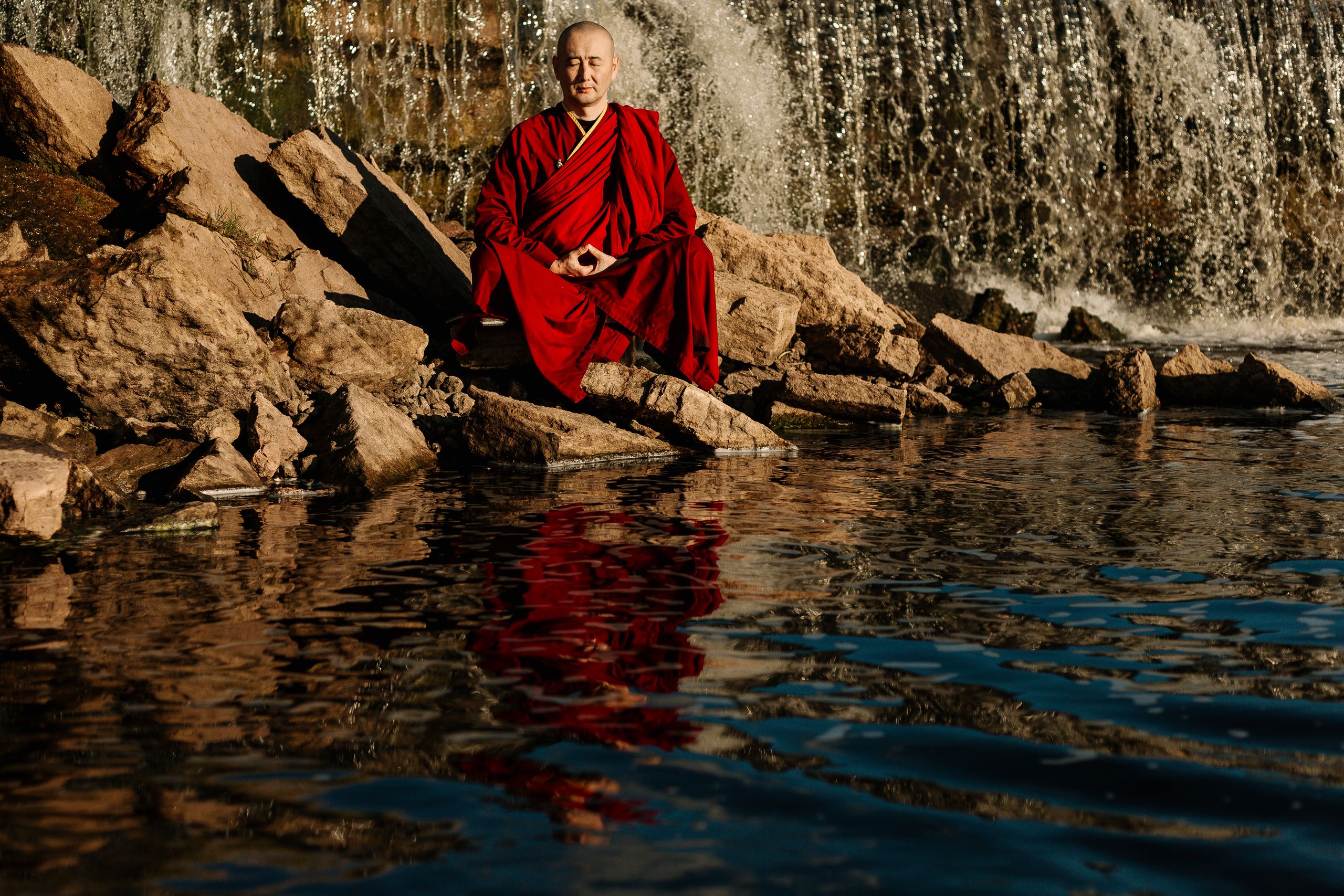
The Qigong Master and the Corporate Warrior
The Hard Oak and the Bending Reed
Arjun was the kind of executive people admired. He managed a large team, answered emails at midnight, attended meetings across time zones, and prided himself on never slowing down. His calendar was full. His achievements were impressive. Yet every morning he woke with a tight jaw, a stiff neck, and a mind already racing before his feet touched the floor.

One afternoon, after a particularly exhausting week, a colleague suggested he attend a Qigong class. “You don’t need another productivity system,” she said. “You need energy.” Arjun laughed. “Energy comes from getting things done.” Still, curiosity led him to an old community hall on the edge of the city, where a Qigong master taught a small group of students.
Softness
The master was an elderly man with calm eyes and a gentle smile. “Welcome,” he said. “Today, we begin with standing.” Arjun looked around. Standing? That seemed almost insulting. He managed multimillion-dollar projects. He negotiated complex contracts. Surely he already knew how to stand.
Yet the master spent fifteen minutes explaining where to place the feet, how to relax the shoulders, how to soften the knees, and how to let the crown of the head gently rise. Arjun grew impatient. “Master,” he finally interrupted, “isn’t standing the simplest thing in the world? Why so many instructions?”
The old man smiled. “Because people spend their entire lives standing incorrectly.”
The Empty Cup
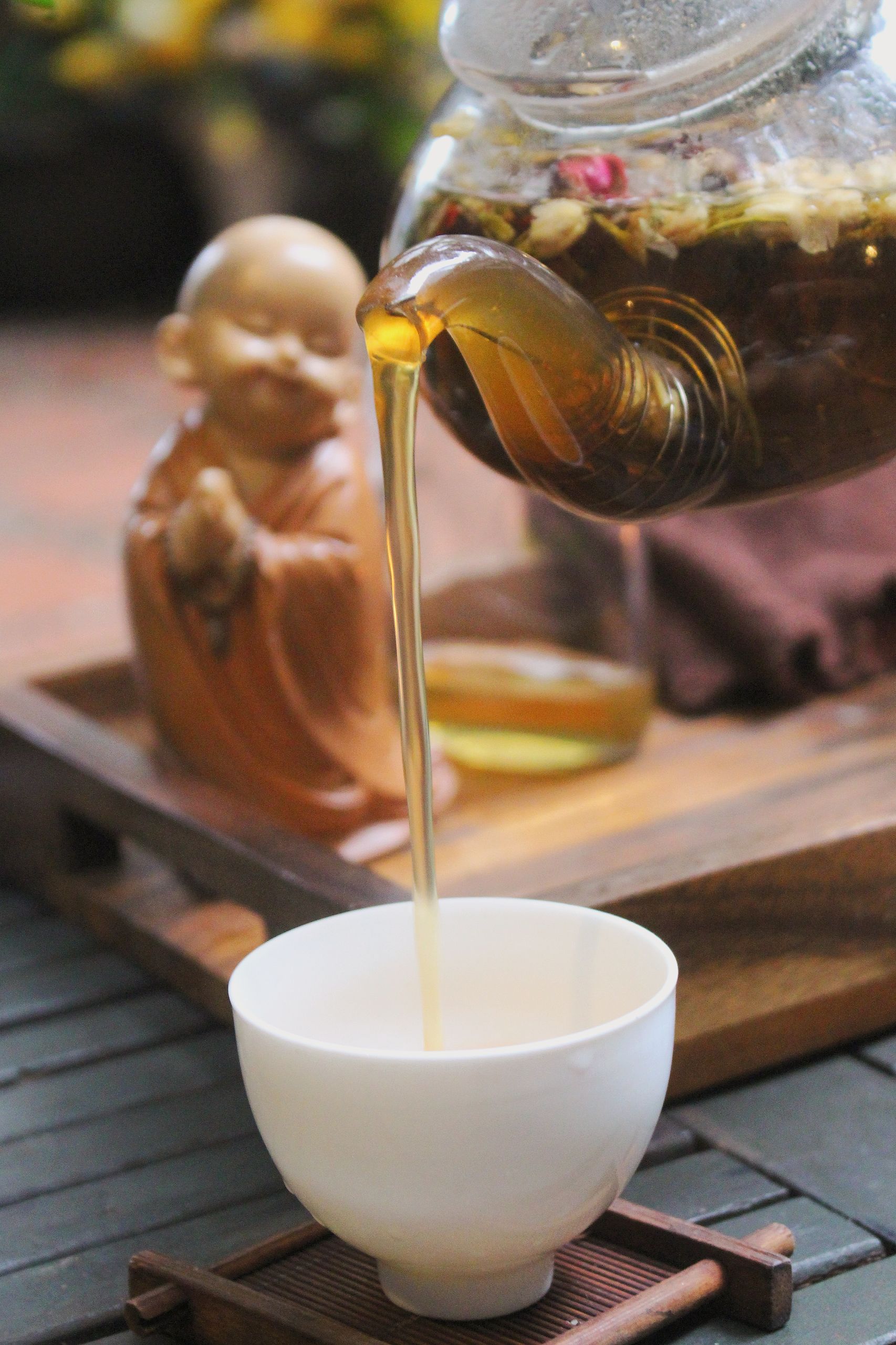
The master did not answer immediately. Instead, he poured tea into a cup. When the cup was full, he continued pouring. Tea spilled over the sides and onto the table. “Master!” Arjun exclaimed. “The cup is already full.” “Exactly,” said the master. He set down the teapot. “You came here looking for a solution. But your mind is already full of solutions.”
Arjun fell silent. The master continued. “You think standing is too simple to matter. Yet your shoulders carry meetings that ended months ago. Your jaw holds conversations that never happened. Your body remembers battles your mind has forgotten.” The room was quiet.
“The simplest practices are often the most powerful. A tree grows from a seed, not from a committee meeting.” The students chuckled. Arjun reluctantly followed the instructions. He relaxed his knees and loosened his shoulders. He breathed. Nothing dramatic happened. Yet he noticed something strange. For the first time that day, he was not thinking about tomorrow.
Standing Without Going Anywhere
The next week Arjun returned. Again, the lesson began with standing. Again, the master corrected tiny details. Lift here. Relax there. Soften the chest. Release the neck. Arjun wondered why they were not learning advanced techniques. Finally he asked, “When do we move on to something more important?”
The master’s eyes twinkled. “What could be more important than being where you already are?” Seeing Arjun’s confusion, he pointed toward a nearby pond. “Have you ever seen a muddy pond settle?” Arjun nodded. “The water becomes clear when it stops fighting itself.” The master paused.

“Most people are never in the present moment. Their bodies are here, but their minds are in yesterday’s regrets or tomorrow’s worries. They mistake constant movement for progress.” As they stood silently, Arjun became aware of his breathing. Air entered. Air left. Nothing needed fixing. Nothing needed achieving. For a brief moment, there was only standing. Only breathing. Only now. And somehow, that felt surprisingly restful.
The River That Never Fights the Rock
Months passed. One evening Arjun arrived looking troubled. “My workload is impossible,” he said. “The pressure never ends. How do I eliminate stress?” The master laughed softly. “Who told you stress should be eliminated?” Arjun frowned. “Isn’t that the goal?”
The master led him to a nearby stream. Water flowed around stones and branches. Sometimes it rushed. Sometimes it slowed. Yet it never stopped moving. “Look carefully,” said the master. “Does the river fight the rock?” “No.” “Does it complain about obstacles?” “No.” “It simply finds another way.” The master picked up a small leaf and dropped it into the water.
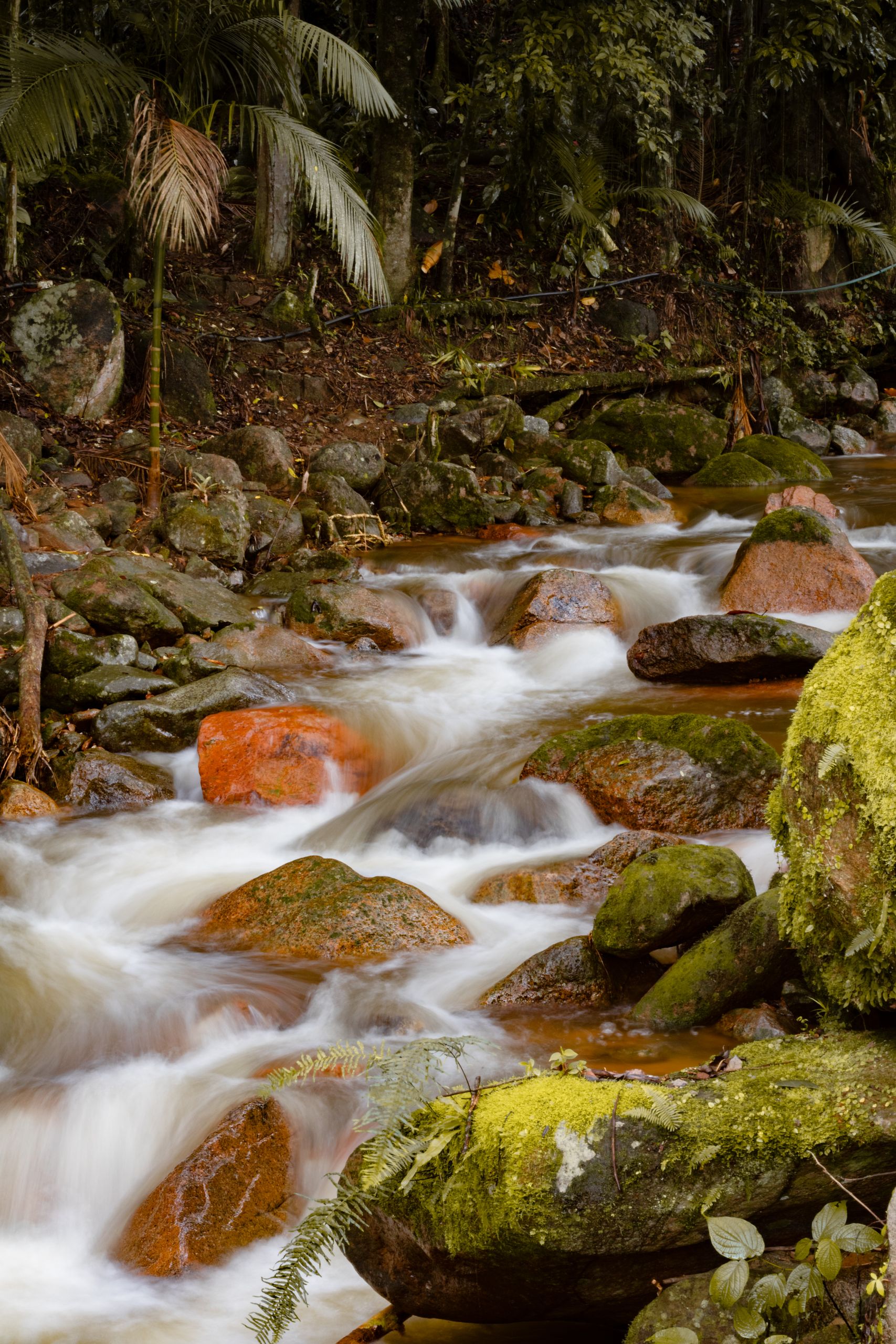
“Stress is energy. Most people waste energy fighting stress itself. They create a second burden.” Arjun listened carefully. “The wise person redirects energy rather than resisting it.” The master’s finger traced the current. “The river succeeds because it flows.” Suddenly Arjun understood something. For years he had approached every challenge like a warrior entering battle. He fought deadlines with fatigue & distractions. He even fought his own anxiety. The fighting never ended because he had made everything an enemy.
Softness and Strength
The Lesson of Bamboo
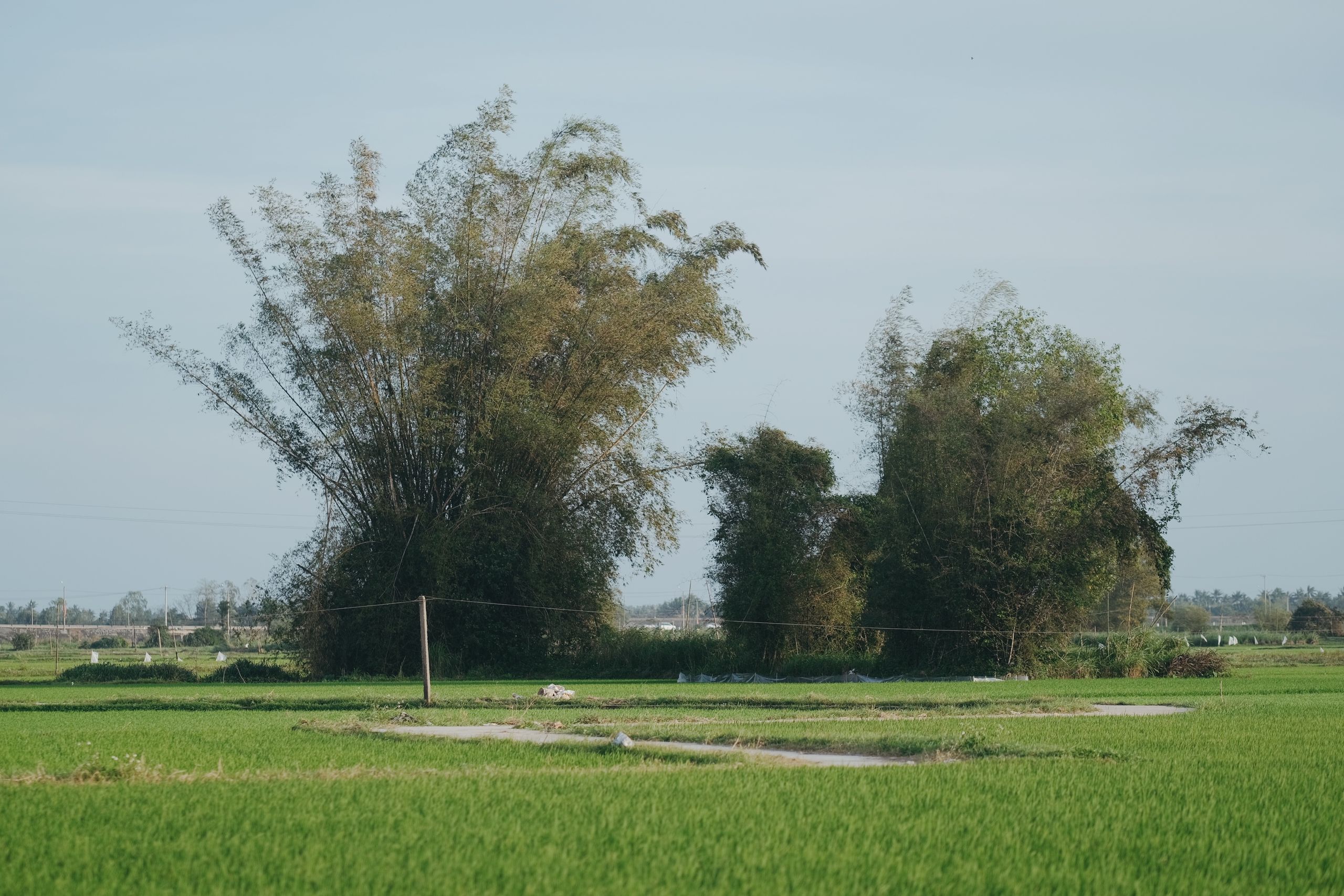
During the final class of the season, the master took his students into a bamboo grove. A strong wind blew through the tall stalks. The bamboo bent gracefully and then returned upright. “Why doesn’t it break?” asked Arjun. “Because it does not insist on being rigid.” The master touched one of the stalks. “Softness is not weakness. Softness is adaptability.” The words lingered.
Arjun thought about his own life. He had been managing time obsessively for years. Every hour was scheduled. Every minute was measured. Yet despite all that effort, he remained exhausted. The problem was never time. The problem was energy. He had spent energy resisting reality, rushing ahead of the present moment, and carrying unnecessary tension.
The master smiled as if reading his thoughts. “People think they need better calendars.” The students laughed. “What they really need is better energy.” Arjun bowed. The lesson that changed him had not been a secret technique or a complicated strategy. It began with something so simple that even a child could understand it. Stand. Breathe. Relax. Be present. Like water flowing around stone. Or like bamboo bending with the wind. Like an empty cup ready to receive.
And in that simplicity, he discovered a truth more valuable than all his productivity systems: Life is not mastered by controlling every moment. It is transformed by learning how to meet each moment with softness, awareness, and flow.

Want to explore the simple meditative practices from the comfort of your home?